
Rituximab: Lymphoma & Arthritis drugs list & guide
Rituximab is the world's first monoclonal antibody approved for cancer treatment. It specifically targets the CD20 transmembrane antigen found on the surface of B-lymphocytes, triggering cell destruction (lysis).
It remains the "gold standard" for treating B-cell lymphomas and severe autoimmune diseases. On Unifarm, you will find a list of medications (both the original MabThera and high-quality biosimilars) containing this active substance.
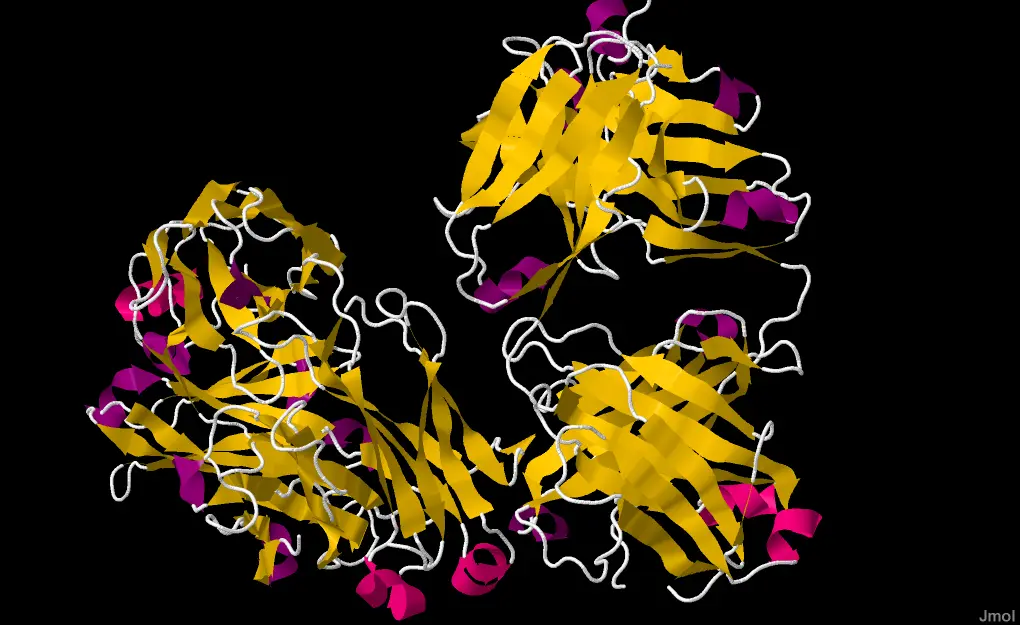
Indications
- Non-Hodgkin’s Lymphoma (NHL): Stage III-IV follicular lymphoma, diffuse large B-cell lymphoma (in combination with CHOP chemotherapy).
- Chronic Lymphocytic Leukemia (CLL): For previously untreated patients or relapsed/refractory cases.
- Rheumatoid Arthritis (RA): Severe active disease where other DMARDs have failed.
- Granulomatosis with Polyangiitis (GPA) and Microscopic Polyangiitis (MPA).
- Pemphigus Vulgaris.
Dosage and administration
Administered exclusively via intravenous infusion (slow drip) in a hospital setting equipped with resuscitation facilities.
Key Rules:
- Premedication: Administration of antihistamines and antipyretics (paracetamol) is mandatory 30–60 minutes before each infusion to reduce the risk of allergic reactions.
- Regimens (Typical): For lymphoma, the standard dose is 375 mg/m² body surface area. For Rheumatoid Arthritis, a fixed dose of 1000 mg is used (two infusions separated by 2 weeks).
- Hypersensitivity to rituximab or murine (mouse) proteins.
- Active, severe infections (e.g., tuberculosis, sepsis).
- Severe heart failure (specifically for Rheumatoid Arthritis patients).
- Pregnancy and breastfeeding (risk of B-cell depletion in the fetus).
Infusion-related reactions are the most critical, especially during the first administration:
- Infusion Reactions: Fever, chills, hives, dyspnea, hypotension (observed in >50% of patients during the first dose).
- Infections: Hepatitis B virus reactivation (screening is required before starting therapy), increased susceptibility to bacterial infections.
- Cardiac: Angina pectoris, arrhythmias.
- Hematologic: Neutropenia, leukopenia.
List of medicines by active substance Rituximab
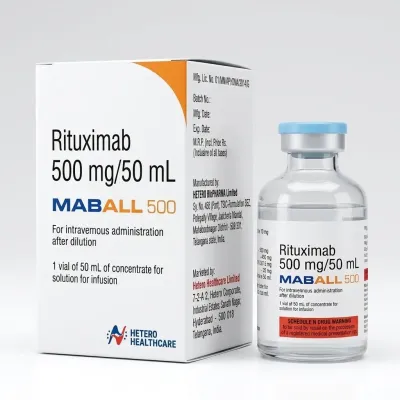
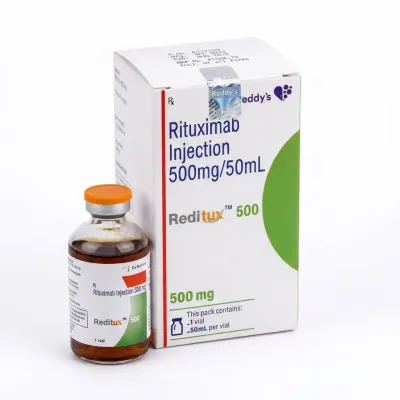
✅ All products loaded (3)