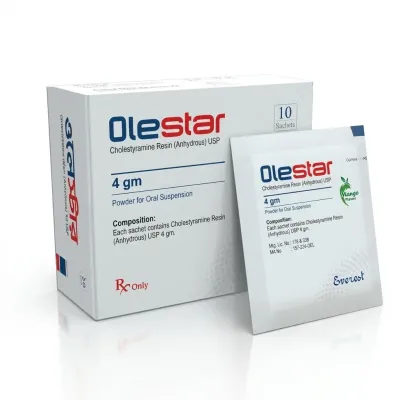
Cholestyramine Resin: Lower Cholesterol & Treat Biliary Pruritus
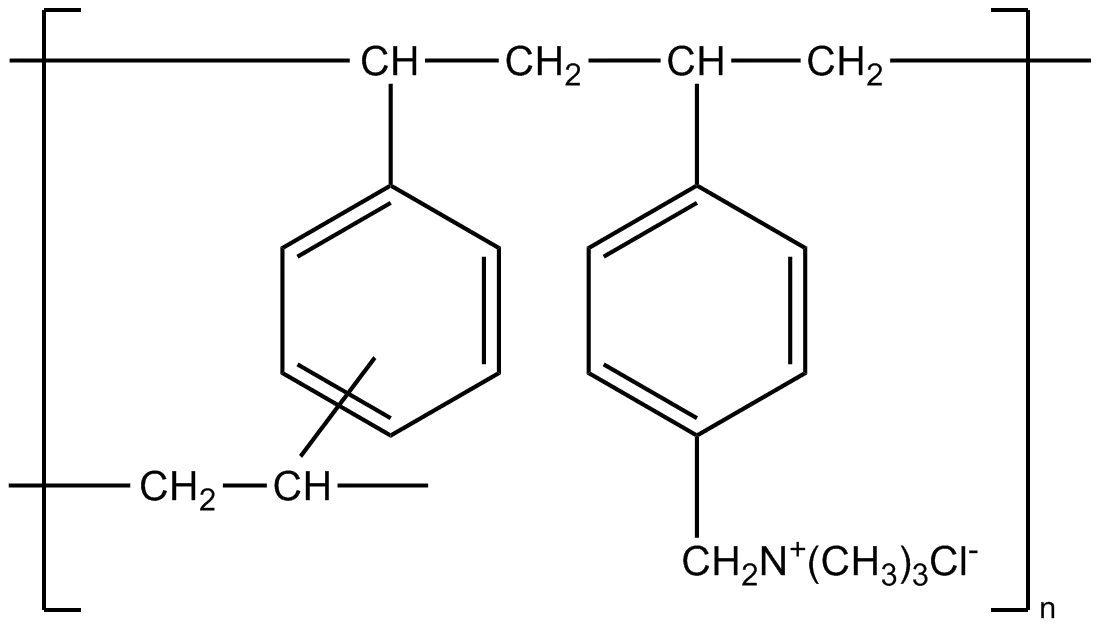
Cholestyramine Resin is a non-absorbable, strongly basic ion-exchange resin used as a bile acid sequestrant. It acts locally in the gastrointestinal tract and does not enter the bloodstream.
By binding to bile acids in the intestine, it forms an insoluble complex that is excreted in the feces. This depletion forces the liver to convert more cholesterol into bile acids, effectively lowering the levels of low-density lipoprotein (LDL, or "bad" cholesterol) in the blood.
Beyond lipid management, Cholestyramine is a highly effective treatment for severe pruritus (itching) caused by partial biliary obstruction, and it is frequently used off-label to treat bile acid malabsorption (chronic diarrhea).
Indications
- Hypercholesterolemia: Reduction of elevated serum cholesterol in patients with primary hypercholesterolemia.
- Biliary Pruritus: Relief of itching associated with partial biliary obstruction, primary biliary cholangitis, or other cholestatic liver diseases.
- Gastrointestinal: Diarrhea caused by bile acid malabsorption (e.g., post-cholecystectomy or Crohn's disease).
Dosage and administration
Supplied as a powder for oral suspension. Never take the dry powder alone, as it may cause esophageal distress or choking.
- Typical Dosage: 4 grams to 24 grams daily, divided into 1 to 6 doses. (One scoop or packet typically equals 4g of anhydrous resin).
- Administration: Mix the powder with 4 to 6 ounces (120-180 ml) of water, juice, or highly fluid soups/applesauce. Stir vigorously and drink.
- Drug Interactions: Cholestyramine binds to many other oral medications. Take other drugs at least 1 hour before or 4 to 6 hours after taking the resin.
- Biliary Issues: Complete biliary obstruction (no bile is secreted into the intestine).
- Bowel Issues: Complete bowel obstruction.
- Lipids: Severe hypertriglyceridemia (it can further elevate triglyceride levels).
- Known hypersensitivity to cholestyramine or any component of the formulation.
Side effects are predominantly gastrointestinal due to the local action of the drug:
- Gastrointestinal: Constipation is the most common adverse reaction. Also flatulence, bloating, nausea, and dyspepsia.
- Nutritional: Long-term use may interfere with the absorption of fat-soluble vitamins (A, D, E, and K) and folic acid. Supplements may be required.
- Oral: Prolonged exposure to the suspension can lead to tooth discoloration or enamel decay (rinse mouth after use).