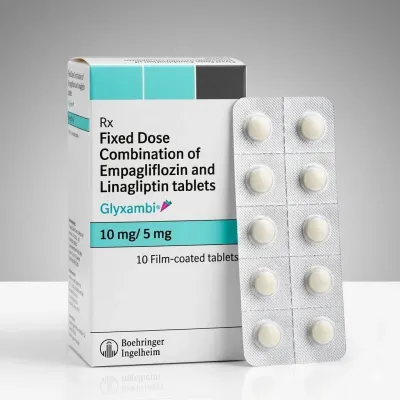
Linagliptin: DPP-4 Inhibitor for Type 2 Diabetes
Linagliptin is an oral antidiabetic drug belonging to the dipeptidyl peptidase-4 (DPP-4) inhibitor class, commonly known as "gliptins." It works by blocking the DPP-4 enzyme, which degrades incretin hormones (GLP-1 and GIP). This results in increased insulin secretion and decreased glucagon release in response to meals.
A key advantage of Linagliptin is its primarily non-renal elimination (excreted via the bile and gut), making it a safe option for patients with impaired kidney function without dose adjustment. On Unifarm, you can find a list of medications (including Tradjenta and generics) containing this active ingredient.

Indications
- Type 2 Diabetes Mellitus: To improve glycemic control in adult patients:
- As monotherapy (when metformin is not tolerated).
- In combination with metformin.
- In combination with sulfonylurea and metformin.
- In combination with insulin (with or without metformin).
Dosage and administration
The medication is taken orally once daily, with or without food, at the same time each day.
Recommended Regimen:
- Standard Dose: 5 mg once daily.
- No dose adjustment is required for patients with renal or hepatic impairment.
- No dose adjustment is required for elderly patients.
- When combined with sulfonylurea or insulin, a lower dose of the sulfonylurea or insulin may be required to reduce the risk of hypoglycemia.
- Type 1 Diabetes Mellitus.
- Diabetic Ketoacidosis.
- Hypersensitivity to Linagliptin (including history of anaphylaxis or angioedema).
- Pregnancy and breastfeeding (limited clinical data).
- Children and adolescents under 18 years of age.
The drug has a favorable safety profile. The risk of hypoglycemia as monotherapy is minimal. Possible reactions include:
- Gastrointestinal: Constipation, diarrhea (uncommon).
- Respiratory: Nasopharyngitis, cough.
- Skin: Rash, urticaria.
- Pancreas: Pancreatitis (rare, but requires immediate medical attention if severe abdominal pain occurs).
- Musculoskeletal: Arthralgia (joint pain, rare).
- Allergic: Angioedema (very rare).
List of medicines by active substance Linagliptin