Semaglutide: Ozempic & Wegovy Guide
Semaglutide is a recombinant human glucagon-like peptide-1 (GLP-1) receptor agonist. It mimics the action of the endogenous incretin hormone: it stimulates insulin secretion, suppresses glucagon release, and significantly delays gastric emptying. Crucially, it acts on appetite centers in the brain to induce satiety.
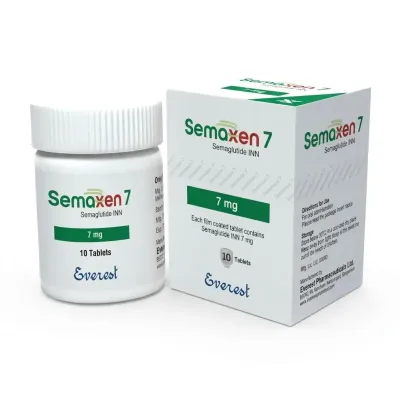
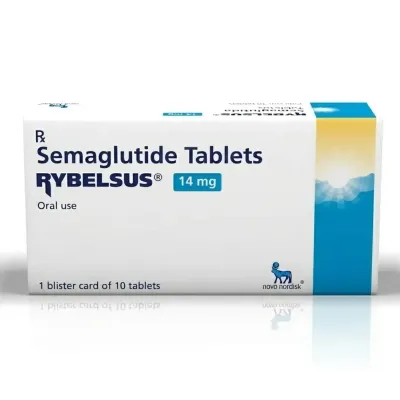
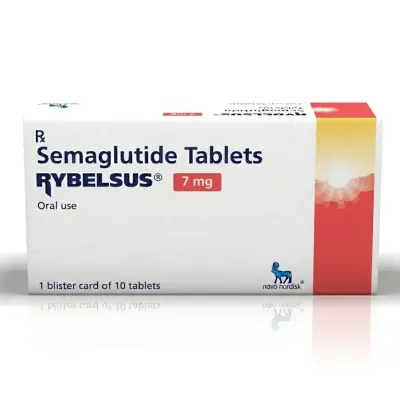
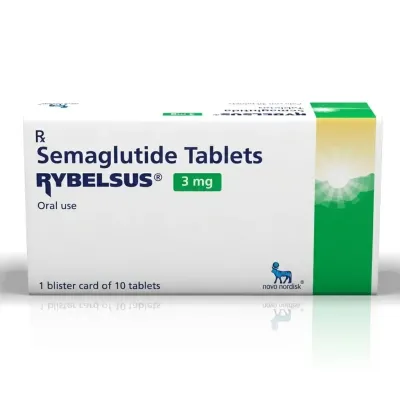
Semaglutide represents a major breakthrough, used for both managing Type 2 Diabetes (reducing cardiovascular risks) and achieving significant weight loss in obesity. On Unifarm, you can find details on medications (Ozempic, Rybelsus, Wegovy) containing this active ingredient.

Indications
- Type 2 Diabetes Mellitus: To improve glycemic control (available as injections or oral tablets).
- Cardiovascular Risk Reduction: In adults with Type 2 Diabetes and established cardiovascular disease.
- Chronic Weight Management: For adults with an initial BMI of ≥ 30 kg/m² (obesity) or ≥ 27 kg/m² (overweight) with at least one weight-related comorbidity.
Dosage and administration
Semaglutide is available in two forms: subcutaneous injection (pen) and oral tablets.
Injectable Form (e.g., Ozempic/Wegovy):
- Administered once weekly at any time of day.
- Titration Schedule: Start at 0.25 mg (4 weeks), then 0.5 mg (4 weeks). Dose may be increased to 1 mg or 2.4 mg (for weight loss) as needed.
Oral Form (Tablets, e.g., Rybelsus):
- Taken once daily on an empty stomach with a sip of water (up to 120 ml), at least 30 minutes before the first food/drink/medication of the day.
- Start at 3 mg, titrating up to 7 mg and 14 mg.
- Personal or family history of Medullary Thyroid Carcinoma (MTC).
- Multiple Endocrine Neoplasia syndrome type 2 (MEN 2).
- Pregnancy and breastfeeding (discontinue at least 2 months prior to planned conception).
- Type 1 Diabetes Mellitus (not a substitute for insulin).
- Hypersensitivity to Semaglutide.
Most side effects are gastrointestinal and tend to subside over time:
- Gastrointestinal: Nausea (very common), vomiting, diarrhea, constipation, abdominal pain, eructation.
- Metabolic: Hypoglycemia (increased risk when used with insulin or sulfonylureas).
- Vision: Diabetic retinopathy complications.
- Pancreas: Acute pancreatitis (rare).
- General: Fatigue, dizziness.