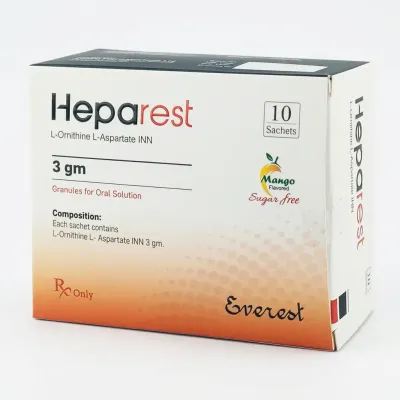
L-Ornithine L-Aspartate (LOLA): Liver Detox & Hepatoprotector
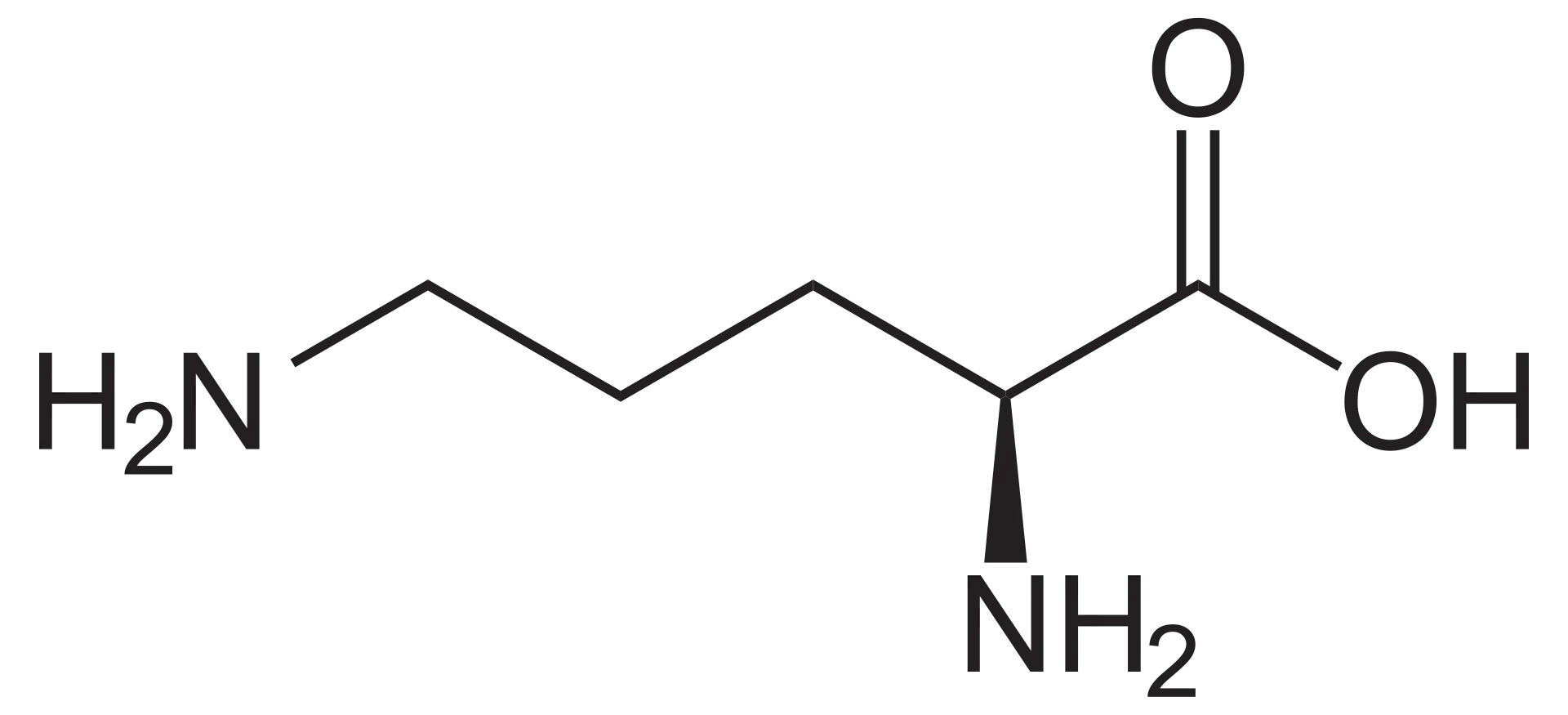
L-Ornithine L-Aspartate (LOLA) is a stable salt of two naturally occurring amino acids: ornithine and aspartic acid. It is widely recognized for its potent hepatoprotective and ammonia-detoxifying properties.
In patients with severe liver impairment, the liver fails to clear toxins, leading to elevated blood ammonia levels. This ammonia crosses the blood-brain barrier, causing cognitive decline known as Hepatic Encephalopathy (HE).
LOLA works directly in the liver and muscles by stimulating the urea cycle and glutamine synthesis. This mechanism efficiently converts toxic ammonia into harmless urea, which is then excreted by the kidneys, thereby protecting both the liver and the brain.
Indications
- Hepatic Encephalopathy (HE): Treatment of latent and overt HE associated with liver cirrhosis and liver failure.
- Chronic Liver Diseases: Management of liver cirrhosis, fatty liver disease (NAFLD/NASH), and toxic liver damage.
- Hepatitis: Adjunctive therapy for acute and chronic hepatitis (viral, alcoholic, or drug-induced).
Dosage and administration
Available as oral granules (sachets) or intravenous infusions. The dosage is determined by a physician based on the condition's severity.
- Oral Granules: Typically, 1 to 2 sachets (containing 3g to 6g of LOLA) are taken 1 to 3 times daily.
- Administration: Dissolve the contents of the sachet in a substantial amount of liquid (e.g., a glass of water, tea, or juice). Take after meals.
- IV infusions are reserved for severe cases in a hospital setting.
- Renal Impairment: Severe kidney failure (creatinine clearance < 30 ml/min or serum creatinine > 3 mg/100 ml).
- Hypersensitivity to L-ornithine, L-aspartate, or any excipients.
- Pregnancy and lactation (use only if clearly needed and prescribed by a doctor).
LOLA is generally very well tolerated. Potential adverse reactions are rare and mainly gastrointestinal:
- Gastrointestinal: Nausea, vomiting, stomach ache, flatulence, or diarrhea.
- Allergic: Rare occurrences of skin rash.
- Note: GI side effects are usually transient and can often be managed by reducing the dose without needing to stop the medication completely.